
Digestate & economics
Digestate value begins with a workable handling plan
How quality, storage, nutrient demand and transport determine whether digestate is an asset or an operating constraint.
Start with the mass and water balance
Digestate handling must be part of the original plant design. The amount of liquid leaving the process, the solids separation duty and the intended return streams influence storage, pumping and site area. Returning liquid to the process changes the hydraulic and chemical balance; it does not make the remaining discharge disappear.
A useful balance identifies external water additions, feed moisture, separated solids, liquid dispatch and any recirculated stream. These flows should reconcile with the operating schedule and available storage under seasonal demand conditions.
Quality is shaped upstream
Digestate contains nutrients and residual organic matter, but its suitability for a particular use depends on quality. Contaminants introduced with feedstock can limit the outlet even where gas production is satisfactory. Segregation and receiving controls therefore affect both the energy and digestate businesses.
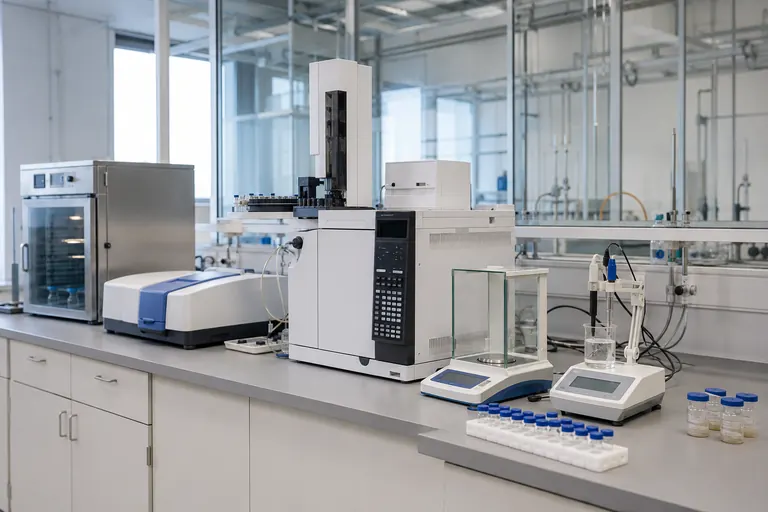
Testing should be selected for the intended product and applicable requirements. Relevant parameters may include solids, nutrient content, salinity, contaminants and biological quality. Product classification, quality compliance and buyer acceptance need to be established for the actual Indian market route.
Assess net realisation
A selling price is only one part of the commercial result. Include dewatering or other treatment, storage, loading, bagging where applicable, testing, transport, commissions and credit terms. Low-value wet material can be particularly sensitive to delivery distance.
Worked example: if a hypothetical product sells for ₹1,000/tonne but treatment, handling and delivery cost ₹750/tonne, its contribution before other overheads is ₹250/tonne. Applying the gross ₹1,000 to every tonne of unprocessed slurry would overstate the result. The example illustrates the accounting boundary, not a market price.
Plan for seasonal demand and constrained outlets
Agricultural demand can vary with the crop calendar, weather and the ability to apply material. Storage and alternative outlets should be reviewed for periods when buyers cannot take the expected volume. A full tank can constrain plant operation even if the gas system is available.
Any subsidy or marketing support should be shown separately from the product sale and tied to verified eligibility and disbursement terms. The feasibility case should remain transparent about which income is contracted, indicative or conditional.
- Reconcile digestate quantity and quality with the intended product route.
- Test buyer willingness and the practical delivery radius.
- Compare net realisation after treatment and logistics.
- Provide storage and an approved response to an unavailable outlet.
Evidence & further reading
Source material
- IEA Bioenergy: Biogas sustainability effects, 2025
- US EPA AgSTAR: Anaerobic Digester/Biogas System Operator Guidebook
- US EPA AgSTAR: Project Development Handbook
Technical references inform the discussion. Final design, operating limits and policy eligibility depend on the project and applicable current documents.