
India / Municipal bioenergy
Municipal waste planning opens new opportunities for bioenergy entrepreneurs
Delhi's ward-level waste planning, supported by higher SBM-U cost norms for biomethanation, points to an emerging project pipeline for developers, technology providers and plant operators.
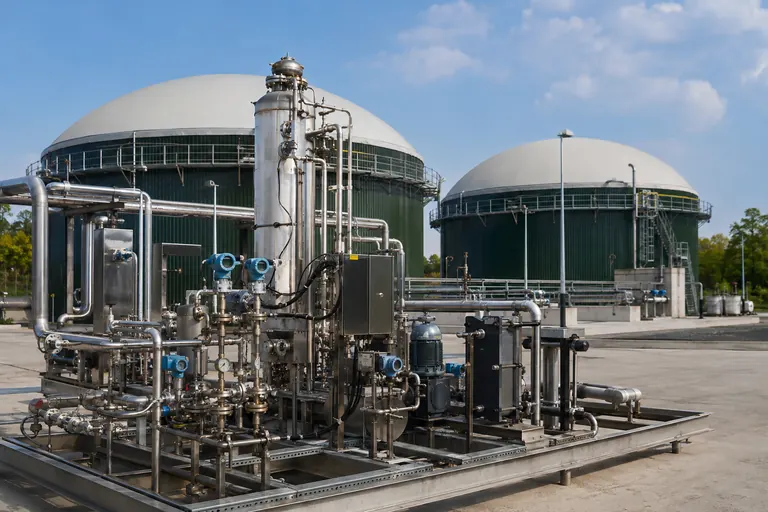
A municipal signal entrepreneurs should watch
Municipal corporations are beginning to view biodegradable waste not only as a sanitation burden, but as a resource for decentralised energy projects. The Municipal Corporation of Delhi has directed its zones to prepare ward-specific sanitation plans and identify nearby facilities capable of processing biodegradable waste through biogas, compressed biogas, composting and other technologies.
The announcement does not yet sanction a new plant or tender. It does, however, show how ward-level waste planning can create a pipeline of locations, feedstock clusters and processing requirements that bioenergy businesses can pursue as projects are developed.
Why ward-level planning changes the opportunity
MCD has asked officials to identify treatment facilities within a radius of approximately 5 to 6 kilometres. This can bring project assessment closer to vegetable markets, hotels, institutions, residential societies and other concentrated sources of organic waste.
Shorter collection routes may reduce transport effort and make it easier to trace the quantity and quality of incoming material. The commercial opportunity is not limited to large centralised plants. Depending on reliable segregated supply, some clusters may be better suited to smaller decentralised facilities designed around local collection patterns.
A stronger cost framework sits behind the pipeline
The Ministry of Housing and Urban Affairs revised the SBM-U 2.0 cost and VGF norms for upcoming municipal-solid-waste biomethanation projects in November 2025. The applicable normative rate for a 100 TPD plant was increased from ₹18 crore to ₹32 crore for projects whose tendering had not already been completed or finalised.
The order recognises land development, civil works, equipment and processing systems, design, insurance and associated project costs. The higher benchmark does not mean that every project automatically receives ₹32 crore as a grant. Eligibility, funding shares, approvals and the final tender structure must be established for each municipal project.
The opportunity extends across the project lifecycle
The emerging market is wider than equipment supply. Municipal programmes can require waste surveys, feedstock characterisation, collection and segregation systems, feasibility studies, DPR preparation, technology selection, EPC execution, gas upgrading, digestate management and long-term plant operations.
Entrepreneurs able to combine waste-management capability with biological-process and gas-market knowledge may be better placed to offer complete solutions rather than isolated machinery packages.
- Ward and market-level waste assessment
- Segregation, collection and preprocessing systems
- Feasibility, DPR and concession structuring
- Biomethanation, gas upgrading and compression
- Digestate processing and market development
- Operations, maintenance and performance improvement
What a serious project developer must establish
The amount of municipal waste generated is not the same as dependable digester feedstock. Developers must determine how much segregated biodegradable material can actually reach the plant each day, with acceptable contamination and seasonal consistency.
Before committing capital or promising output, the project must define land availability, collection responsibility, tipping fees, payment security, realistic gas yield, digestate use and the route to CBG offtake. A promising municipal announcement becomes a bankable opportunity only when these interfaces are documented.
- Measure usable organic waste rather than total municipal waste.
- Test contamination, moisture and biological yield.
- Define collection, transport and rejection responsibilities.
- Confirm land, utilities and statutory requirements.
- Establish gas offtake and digestate routes before sizing the plant.
Altpreneur perspective
Ward-level planning and more realistic SBM-U cost norms can help move municipal biomethanation from a broad policy objective towards a structured project pipeline. They also create an opening for entrepreneurs who can bring credible local feedstock evidence, appropriate engineering and reliable operating plans to municipal bodies.
The strongest opportunities will not necessarily be the locations reporting the largest waste quantities. They will be the clusters where segregated supply, municipal responsibilities, plant design, product markets and payment arrangements can be brought together in one workable project structure.
Evidence & further reading
Source material
- BioEnergy Times: MCD ward-wise sanitation and decentralised treatment plans, 17 September 2026
- MoHUA: revised SBM-U 2.0 biomethanation cost norms, 12 November 2025
Technical references inform the discussion. Final design, operating limits and policy eligibility depend on the project and applicable current documents.